Paintless Dent Repair vs. Traditional Bodywork: Which Does Your Vehicle Need After a Corvallis-Albany Commute Ding?
Drivers commuting between Corvallis, Albany, and Lebanon along OR-34 and Hwy 20 pick up vehicle dings more often than most people realize. Understanding the right repair option can save time and money. This article explains when paintless dent repair (PDR) is appropriate and when traditional auto body repair is the better call. If you have recently noticed a fresh dent and are weighing your options for auto body repair, the comparison below can help you decide.
What Is the Corvallis-Albany-Lebanon Commute Corridor Like for Your Paint and Body?
U.S. 20 between North Albany and Corvallis sees more than 18,000 vehicles per day. OR-34 crosses the Willamette River into Linn County and runs as a four-lane undivided highway toward Tangent and Lebanon. Tight lanes, gravel shoulders, passing trucks, and frequent merge points make door dings, parking lot nudges, and minor panel impacts everyday realities for commuters along this stretch.
Oregon's wet winters add another layer of concern. Moisture, debris, and road grit can chip paint and leave edges exposed to rust. Even a small dent with compromised paint can become a bigger problem over a Willamette Valley winter. Scheduling auto body repair before the rainy season sets in is a smart way to prevent minor damage from turning into a rust issue.
Paintless Dent Repair vs. Traditional Bodywork: What Is the Difference?
PDR and traditional bodywork are both legitimate repair methods. The right choice depends almost entirely on the type and severity of the damage.
When Paintless Dent Repair May Be the Right Fit
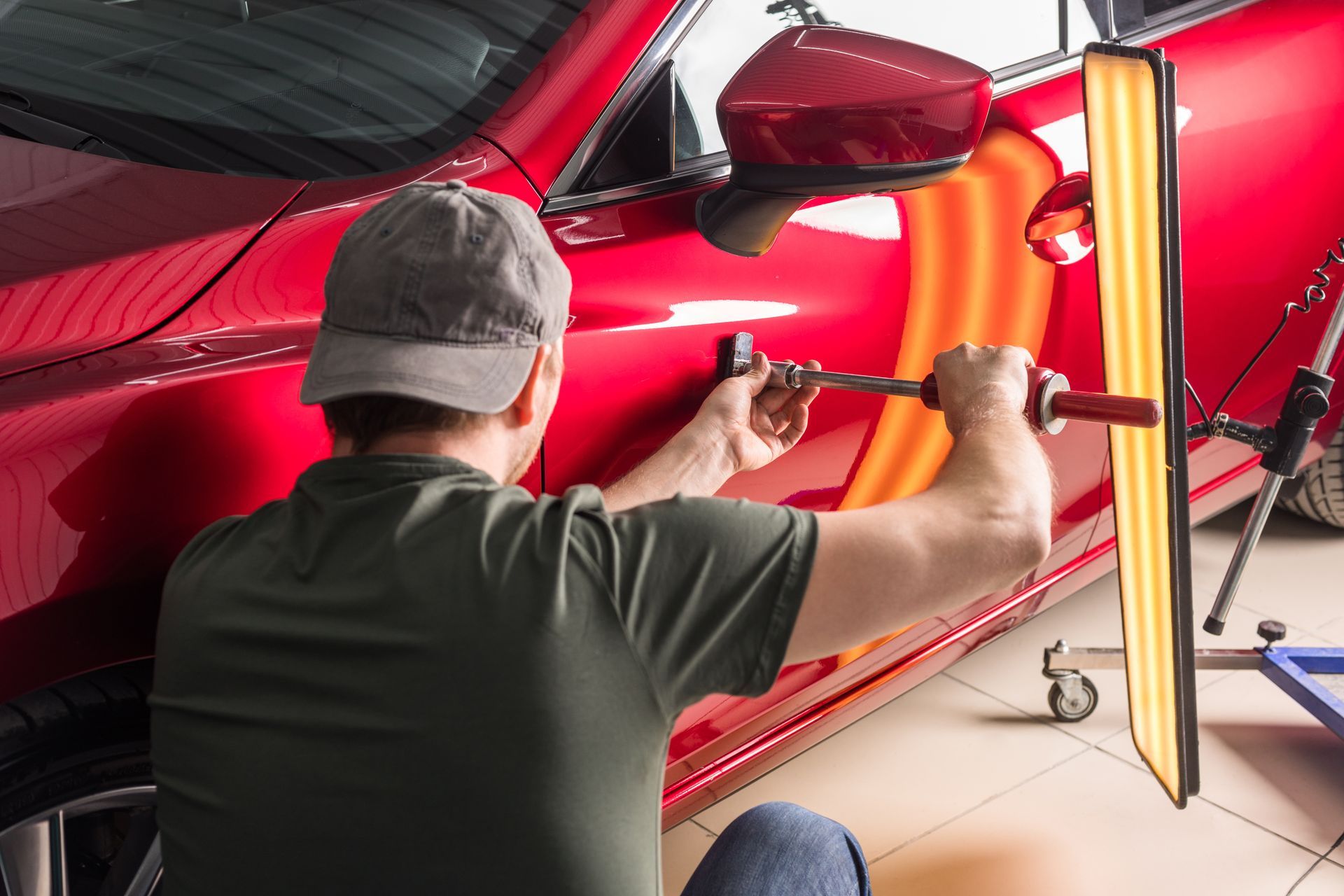
PDR uses specialized tools to massage metal back into its original shape from behind the panel, with no sanding, filling, or repainting involved. It often works well for:
▸ Small, shallow dents with no paint cracking or transfer.
▸ Door dings from parking lots, common near Lebanon's downtown retail area along S. Santiam Highway.
▸ Round or smooth dents where the metal has flexed but not creased.
▸ Hail damage from spring storms along the Corvallis-Lebanon corridor.
PDR typically takes less time than traditional repairs and preserves the original factory paint, which can support resale value.
When Traditional Auto Body Repair Is Needed
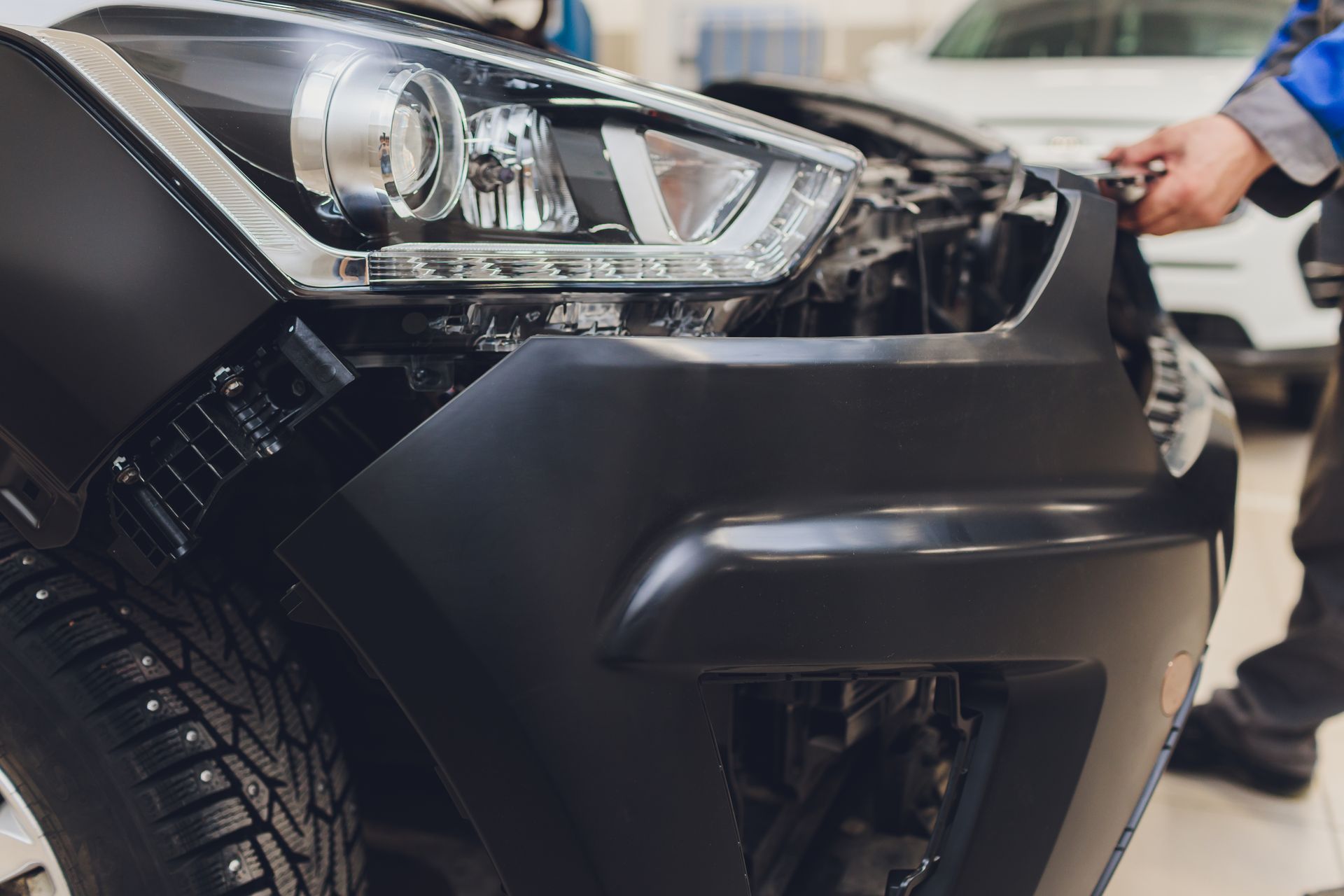
Traditional bodywork involves sanding, body filler, priming, and repainting. This approach is usually needed when:
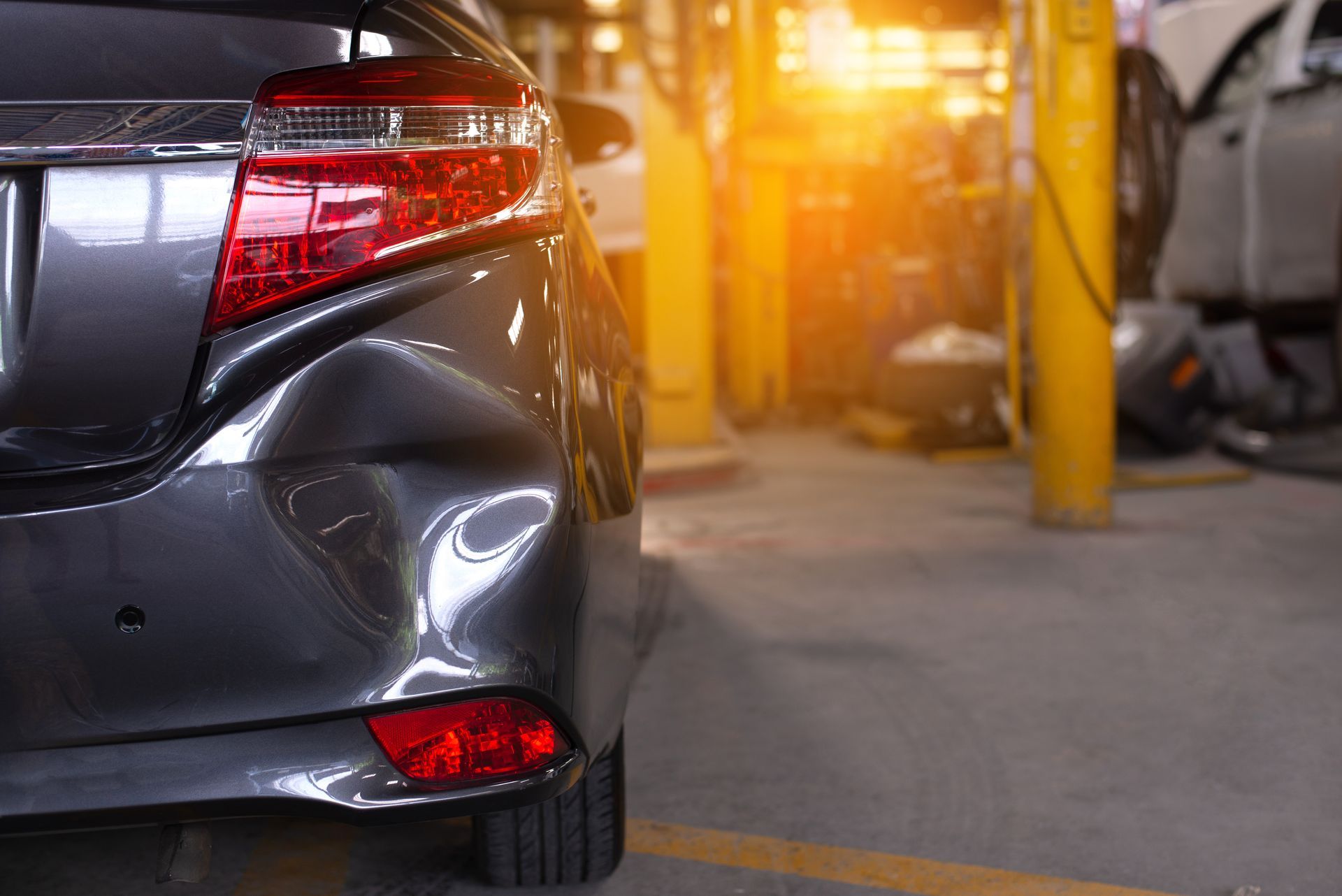
▸ The dent has a sharp crease that cannot be massaged out without distorting the metal.
▸ Paint is cracked, chipped, or missing, leaving bare metal exposed.
▸ There is paint transfer from another vehicle, a guardrail, or a concrete pillar.
▸ The impact has affected structural panels, door frames, or wheel arch areas.
▸ Damage occurred at speed on OR-34 or Hwy 20 and the panel is pushed in significantly.
Missing paint is especially important to address in western Oregon, where humidity and rainfall cause bare metal to rust faster than in drier climates. Prompt auto body repair can protect your vehicle from the kind of long-term corrosion that costs significantly more to fix later.
What About Paint Transfer from a Side Swipe?
Side-swipe events on tight two-lane sections of Hwy 20 often leave paint from another vehicle smeared across a door or quarter panel. If the underlying metal is undamaged, a technician may be able to remove the transfer and polish the surface. If the metal is damaged beneath the transfer, traditional bodywork is the more appropriate path. A shop offering auto-body repair can assess the extent of the damage and recommend the correct approach.
How Do You Know Which Repair Type Fits Your Damage?
A professional inspection is the most reliable way to determine the correct repair method. A few general signals can guide you before you visit a shop.
PDR may be an option if the dent is roughly coin-sized or smaller, the paint surface is fully intact around the dent, and you can run your finger over it without feeling sharp ridges or cracking.
Traditional repair is more likely needed if you can see bare metal or primer, if the dent has a hard crease, if the panel feels weakened, or if paint from another vehicle is embedded in the damage.
For Lebanon, OR, residents and commuters, getting a professional estimate for auto body repair takes the guesswork out of the decision. An experienced technician can tell you within minutes which method applies.
Does Insurance Cover Both Types of Repairs?
Coverage depends on your policy and the circumstances. Comprehensive policies may cover hail dents or parking lot damage, while collision coverage applies to at-fault incidents. Under Oregon law, you have the right to choose your own repair shop regardless of what your insurer recommends. Learn more at the auto repair answers page.
How Long Does Each Repair Type Usually Take?
PDR for a single small dent can sometimes be completed within a few hours. Traditional bodywork requires drying and curing time between stages and may take several days depending on panel size and damage extent. Getting the repair done promptly matters, especially heading into the wetter months in Linn County.
Get a Free Estimate from Freebird Body & Paint Serving Lebanon, OR
Freebird Body & Paint serves Lebanon, OR, drivers with professional auto body repair, collision repair, and paint services. Whether you picked up a door ding near Main Street or returned from your Corvallis commute with crease damage, the team can help you determine the right repair path. For quality auto body repair call 541-753-9354 or request a free estimate online<https://www.freebirdautobodyandpaint.com/auto-repair-estimate> with no pressure and no hidden costs. You can also find the shop and read reviews at Freebird Body & Paint on Google.